Liposuction
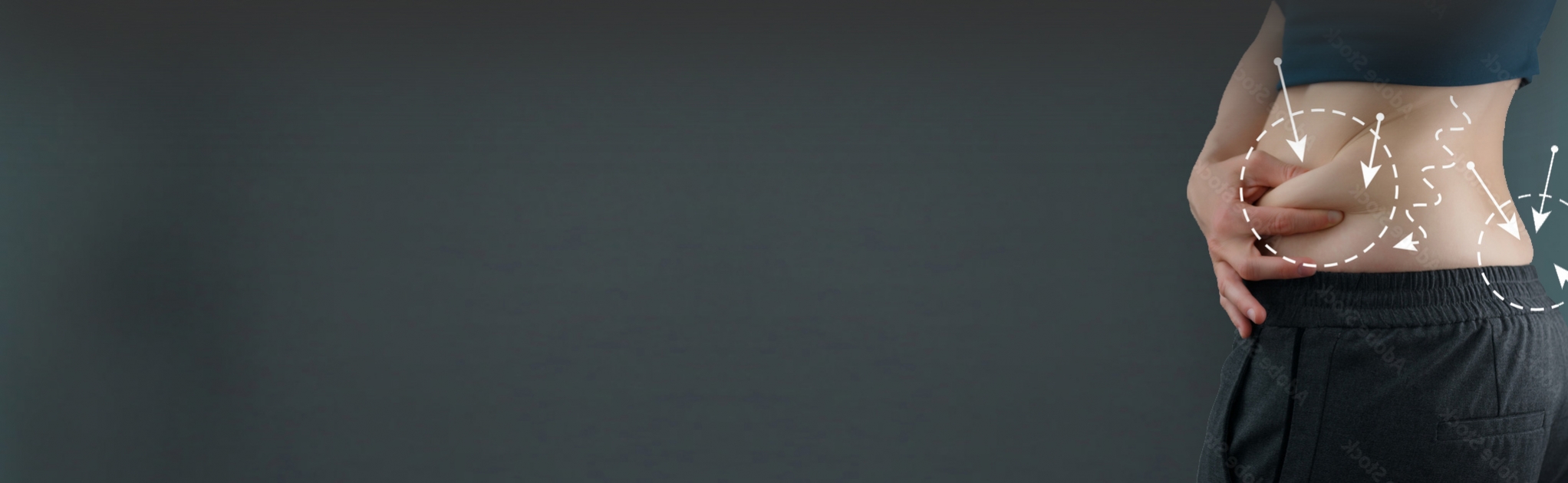
Lipoplasty, also called liposuction, removes local deposits of fat to give our body a smoother and slimmer body contour. In order to achieve the best results, the patient should have normal body weight with excess fatty tissue in specific locations such as hips, buttocks, abdomen, thighs and knees. Lipoplasty is also effective in removing excess fat from the back, arms, face and neck.
However, liposuction is not a substitute for a proper diet and exercise or a way to lose weight. The treatment will not eliminate cellulite or flabby, loose skin. In fact, the best results are achieved when the patient has got healthy, elastic skin with the ability to shrink evenly after a surgery. If the skin has already lost much of its flexibility, there may be a need for the skin tightening surgery such as a tummy tuck, thighs, buttocks or arms lift.
During liposuction, a local (usually with the use of sedatives), conduction or general anaesthetic can be used. It is a surgeon who decides on the safest and the best, in a given case, method of performing the operation. Lipoplasty is usually performed by using special equipment which vacuums excess body fat.
After the surgery, modelling clothes should be worn for the period of 6-8 weeks to speed up the shrinking of the skin and minimise the swelling. Coming back to work can be planned after 1-2 weeks, depending on the extent of operation.
Potwierdzenie operacji
Najpóżniej 2 miesiące przed wyznaczonym terminem operacji plastycznej obowiązuje wpłata 10 % zaliczki (od umówionej ceny zabiegu). Brak wpłaty oznacza rezygnację pacjenta z terminu operacji. W przypadku nieuzasadnionej rezygnacji w terminie krótszym niż 3 tygodnie przed operacją plastyczną, zaliczka nie podlega zwrotowi. Uzasadnione rezygnacje to te ,które poparte są np. zwolnieniem lekarskim itp. Rezygnację należy złożyć osobiście, telefonicznie lub pocztą elektroniczną na adres latkowski@chp.pl.? Wiadomości sms-owe nie są przyjętą przez nas formą rezygnacji.