Eyelid Surgery
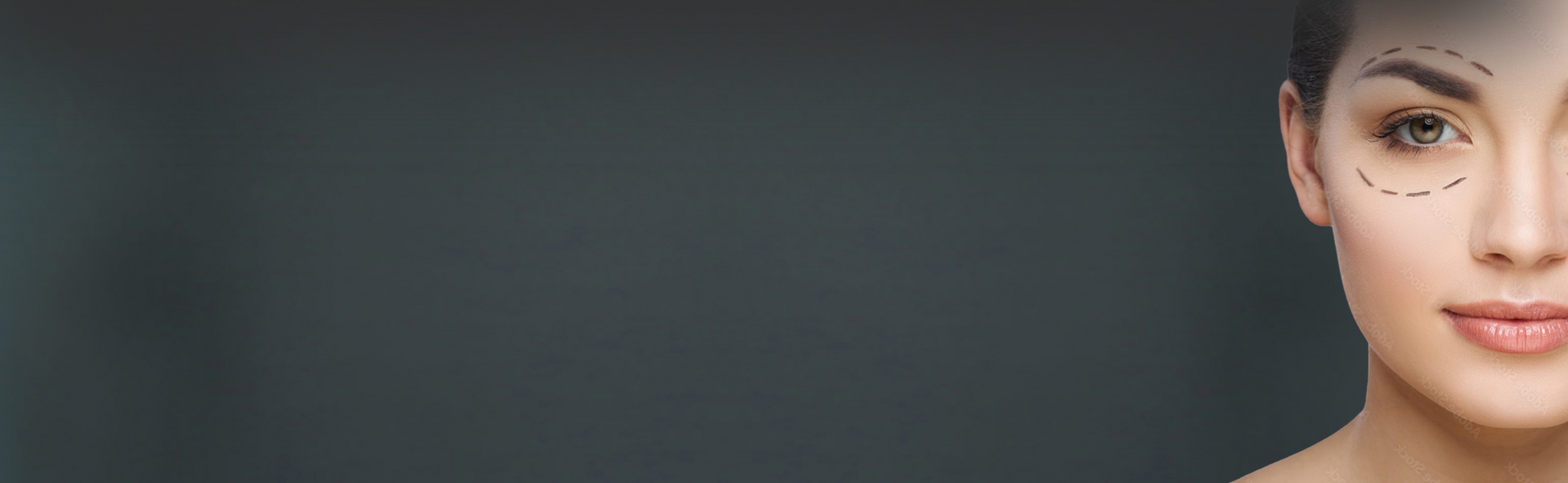
Eyelid surgery involves the removal of excess fat and wrinkled, drooping skin of upper eyelids which can give the face an expression of constant fatigue or sadness. It also eliminates puffy bags below the eyes and tightens the skin of the lower eyelid. As a result, you achieve a younger and more relaxed face expression. Eyelid surgery can be performed in conjunction with a facelift or other face rejuvenating treatments. Some people inherit characteristics that make them decide to undergo eyelid surgery as early as at the age of 20-30. Fat and loose skin is removed from the upper eyelid through an incision which is hidden in natural skin breakdown. The incision is made slightly beyond the outer corner of the eye, where it easily mixes with the mimic wrinkles and other skin folds existing there. If the problem with eyelids is aggravated with drooping eyebrows, a surgeon may recommend a brow lift.
The treatment of a lower eyelid requires an incision which is hidden just below the lash line. Through this incision, excess skin, muscle and fat is removed.
Eyelid surgery can also change the location of fat so as to eliminate swelling and puffiness of eyelids. If there is no excess skin of the lower eyelid, plastic surgeon may decide to use a different technique, in which fat is removed through an incision of the eyelid conjunctiva.
After the surgery, you can expect swelling and bruising which persist for about a week or longer. Vision may be blurred for a few days and the patient should wear sunglasses to protect eyes from wind and sun. After a week you can hide the remaining, disappearing with time bruises by wearing make-up. You can return to work after about 10 days.
Potwierdzenie operacji
Najpóżniej 2 miesiące przed wyznaczonym terminem operacji plastycznej obowiązuje wpłata 10 % zaliczki (od umówionej ceny zabiegu). Brak wpłaty oznacza rezygnację pacjenta z terminu operacji. W przypadku nieuzasadnionej rezygnacji w terminie krótszym niż 3 tygodnie przed operacją plastyczną, zaliczka nie podlega zwrotowi. Uzasadnione rezygnacje to te ,które poparte są np. zwolnieniem lekarskim itp. Rezygnację należy złożyć osobiście, telefonicznie lub pocztą elektroniczną na adres latkowski@chp.pl.? Wiadomości sms-owe nie są przyjętą przez nas formą rezygnacji.